
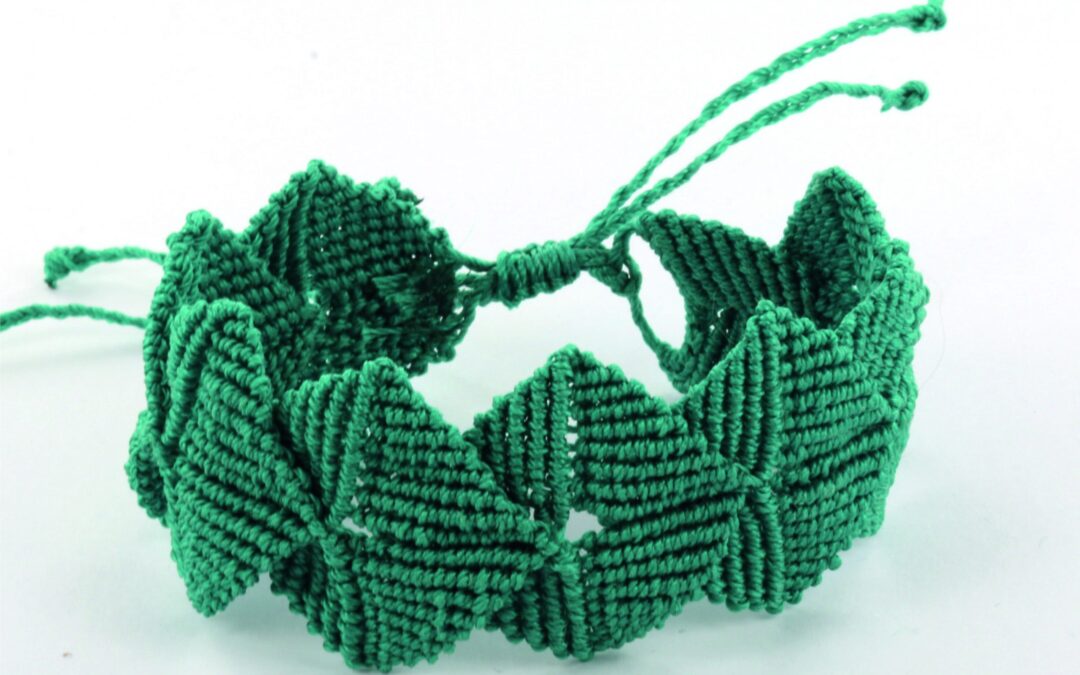
The origins of macramé truly go back thousands of years. Much can be found about it in history. Some believe the term derives from the 13th-century Arabic word migramah, meaning “fringe.” Others believe the origin lies in the Turkish word makrama, which refers to “napkin” or “towel.” This was a way to secure the edges of the fabric with excess threads.

Initially, it was primarily used for practical purposes, but later also decoratively. The Babylonians and Assyrians had fringed wickerwork, which was used to decorate costumes. In the 13th century, Arab weavers used decorative knots to trim excess threads on scarves, veils, and towels. It then spread to Europe via North Africa when the Moors brought macramé to Spain.
While most people consider macramé a fad of the 1970s, the craft reached its peak popularity in Victorian England. First introduced to England in the late 17th century, Queen Mary herself gave lessons to her ladies-in-waiting. Most Victorian homes featured some form of macramé decoration, as it was used not only to adorn clothing but also as curtains, tablecloths, and bedspreads.
Given their knot-making skills, it should come as no surprise that sailors were largely responsible for spreading macramé throughout the world. It was a great way to pass the time and could then be traded or sold when they docked, bringing it to places like China and the New World. Hammocks, belts, and fringe were among the popular items made by British and American sailors in the 19th century.
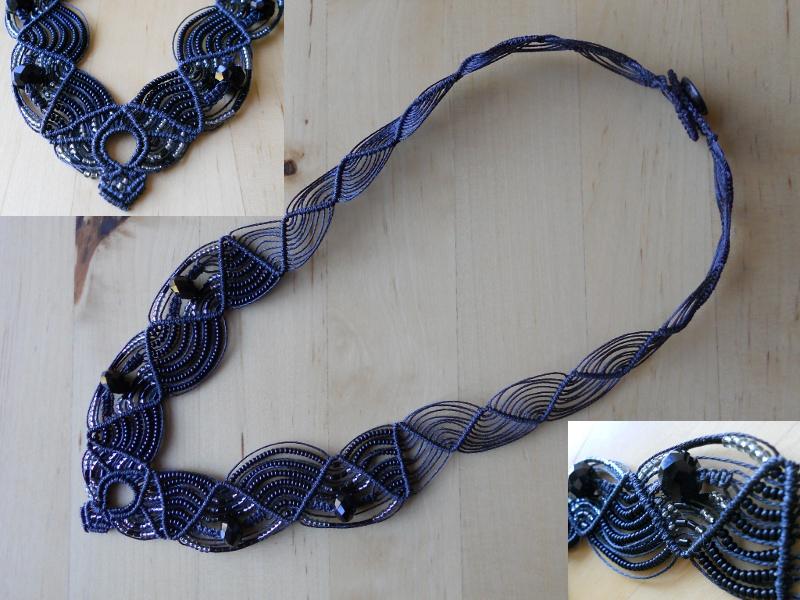
After declining in popularity, macramé revived in the 1970s. It symbolized the Bohemian style and was used to make wall hangings, plant hangers, accessories, and clothing. The craft eventually declined in popularity, but trends are quite cyclical. Now, macramé is back and making waves again as creative artisans create contemporary patterns that revitalize the historic knotting techniques.